Olive oil polyphenols (biophenols): what they are and how they are measured
Polyphenols — in olive oil usually called biophenols — are natural compounds that pass from the olive into the oil. They create its bitterness and pungency and slow down oxidation. They are measured by HPLC with the International Olive Council method and reported in mg/kg, expressed as tyrosol.
What are polyphenols?
Polyphenols are natural compounds plants make to protect themselves. Olives are rich in them, and part of that passes into the oil during pressing. In the olive oil world they are usually called biophenols; the best known are hydroxytyrosol, tyrosol, oleocanthal and oleacein.
They give olive oil two things:
- Taste: bitterness and the peppery catch in the throat come largely from polyphenols.
- Stability: as natural antioxidants they slow oxidation.
What drives the value?
The same grove can measure differently from year to year. The main factors:
- Harvest time: green, early-picked olives give higher values.
- Variety and climate: some cultivars are naturally richer.
- Processing: pressing without delay and at low temperature matters.
- Storage and time: values keep falling in the bottle.
That is why measured values across olive oils span a very wide range. The only reliable source for a given bottle is the lab report for its lot.
How are they measured?
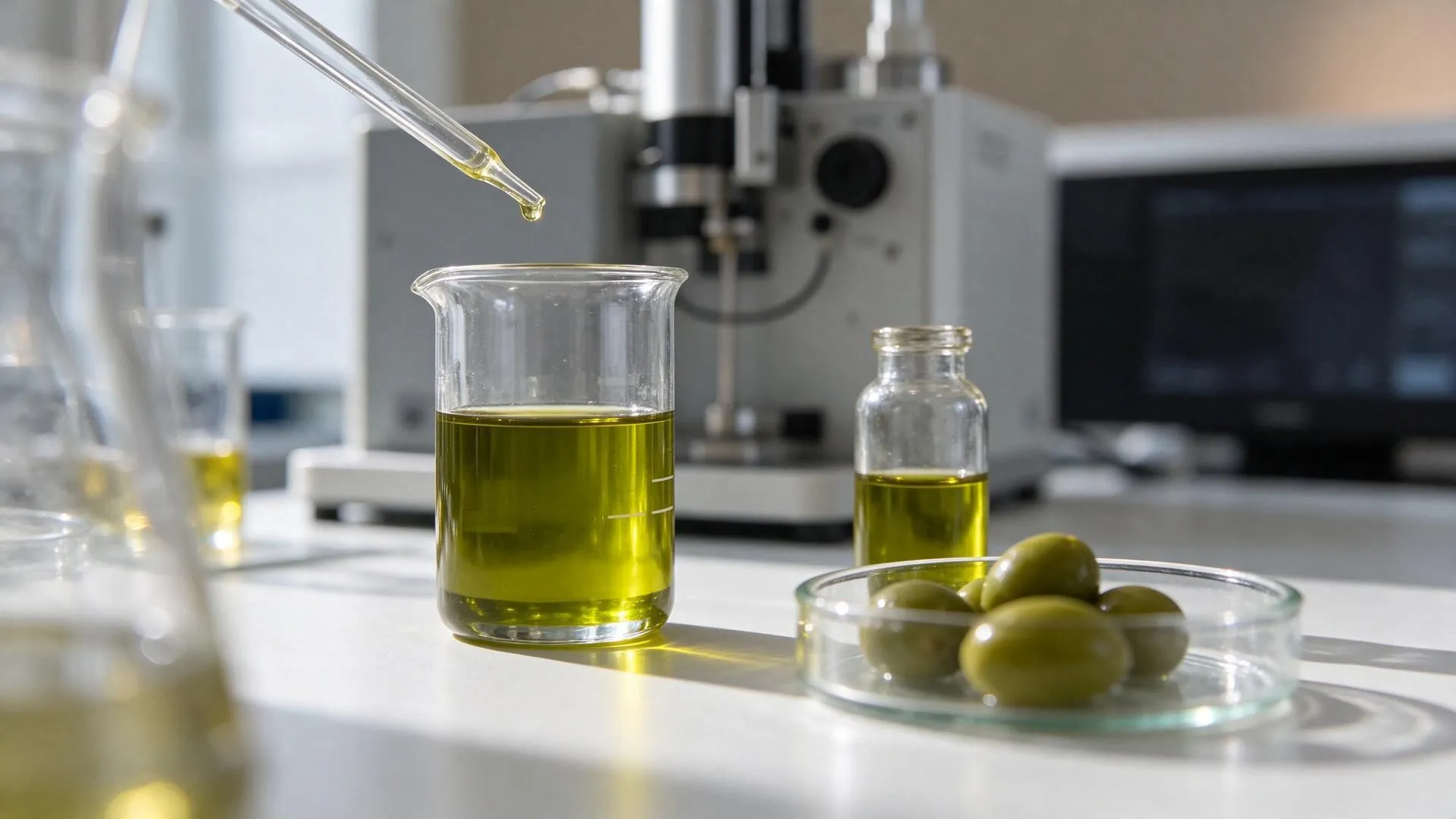
The accepted method is the International Olive Council’s COI/T.20/Doc. 29. Phenolic compounds extracted from the oil are separated by HPLC (high-performance liquid chromatography) and the total is reported in mg/kg, expressed as tyrosol. For the result to be trustworthy, the lab should be accredited to ISO/IEC 17025.
What can a label claim?
In the European Union, a health claim about olive oil polyphenols may only be used for oils containing at least 5 mg of hydroxytyrosol and its derivatives per 20 g. That is not the same as “total biophenols”; hydroxytyrosol and its derivatives have to be measured specifically.
That is why Olivisimo does not make a health claim. Instead we publish the value we measured and where it comes from.
Olivisimo’s results
| Parameter | Result | Source |
|---|---|---|
| Total biophenols (as tyrosol) | 219 mg/kg | AYTB Laboratory, report 2501439, 21.03.2025 |
| Oleic acid (C18:1) | 72.41% | Formül Laboratory, report 25/744-0, 21.03.2025 |
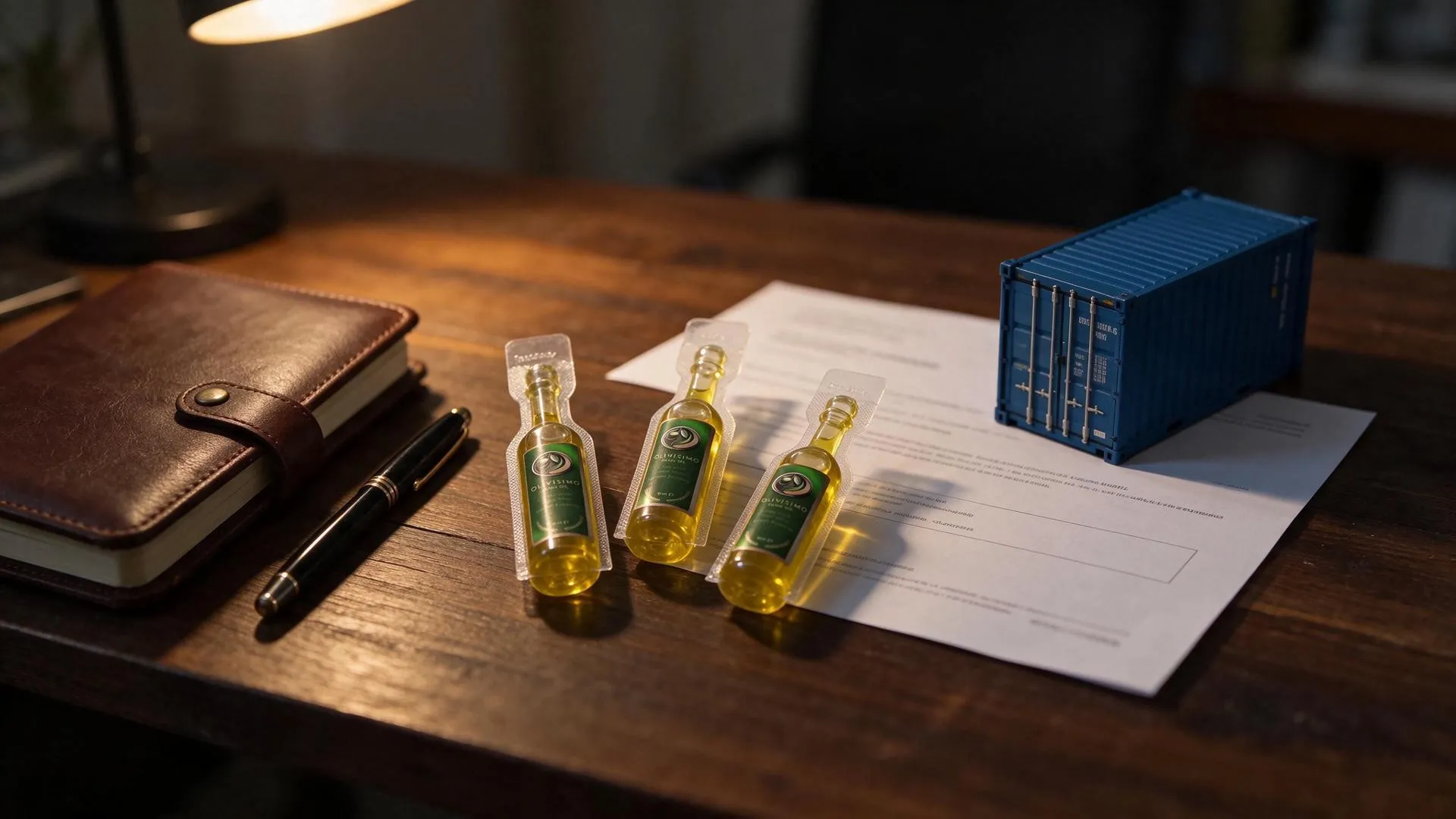
Both laboratories are accredited by TÜRKAK. Signed originals are available on request for your import file.
Keeping polyphenols in the bottle
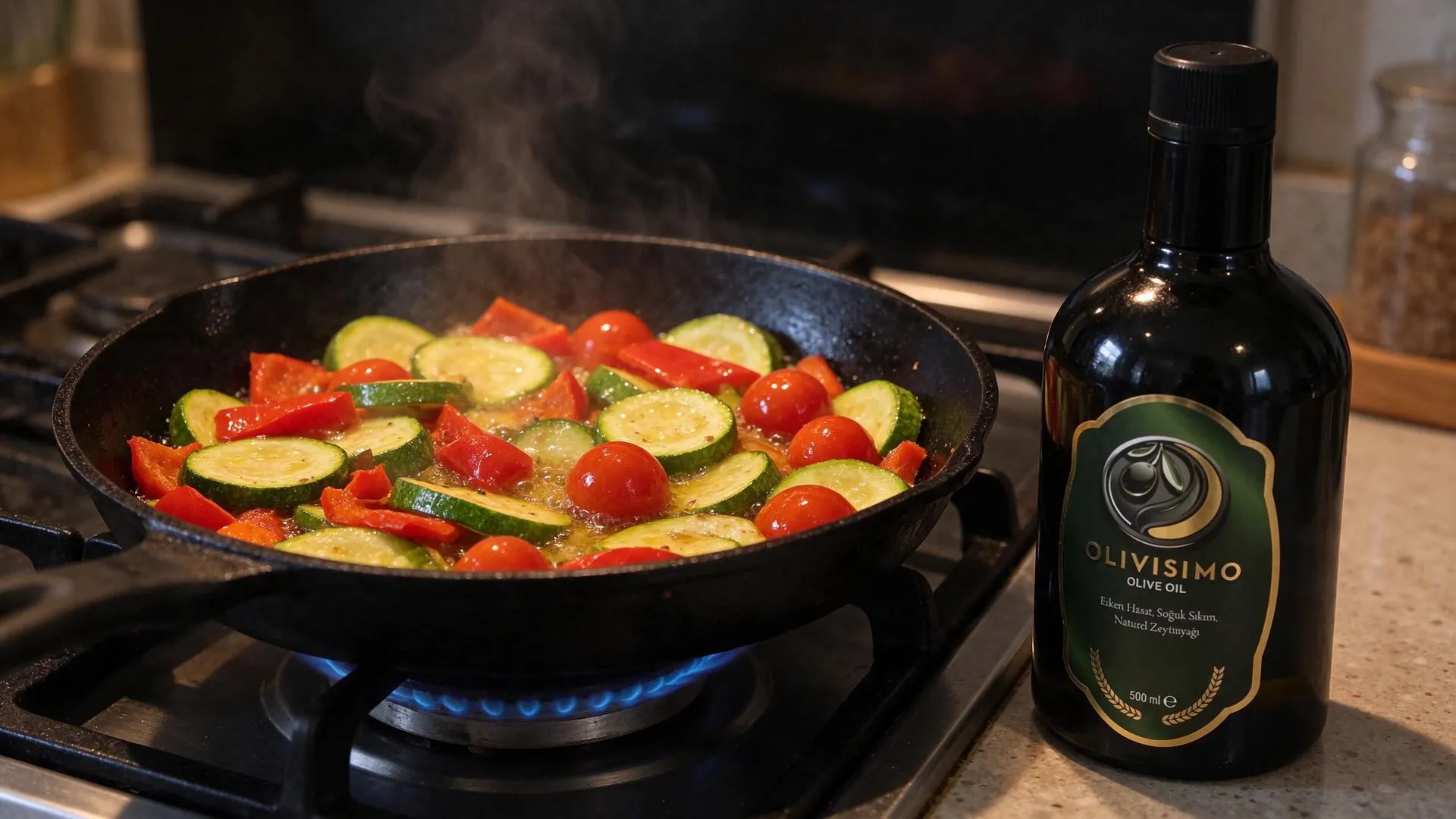
Store the oil in a light-proof bottle, away from the stove, with the cap closed, and use it within a few months of opening. More in our guide to reading an olive oil label.
Frequently asked
Do polyphenols decline over time?
Yes. Light, heat and air slowly reduce them. Dark bottles, cool storage and a closed cap are the best way to preserve them.
What is Olivisimo’s biophenol value?
For Lot 1, the TÜRKAK-accredited AYTB Laboratory measured 219 mg/kg total biophenols, expressed as tyrosol (report 2501439, 21.03.2025).